
Many people don’t take it seriously the first time a doctor says, “Your blood pressure is a bit high.”
There are no obvious symptoms, so they feel it can wait a little longer.
It’s not until they buy a home blood pressure monitor and start checking morning and night—seeing the numbers climb higher each time—
and occasionally feel head pressure or palpitations, that they realize the problem isn’t so simple.
In today’s fast-paced life, staying up late, relying on takeout, sitting for long hours, and constant stress have become the norm,
and hypertension is affecting people at younger and younger ages.
When it finally comes time to face medication, many people realize:
lowering blood pressure isn’t a short-term task, but a matter of long-term management.
Among the many antihypertensive drugs, there is one class that isn’t new, yet has been used consistently for years.
Captopril tablets 12.5 mg are one of them.
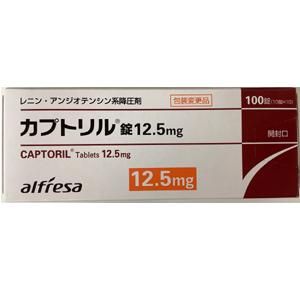
Captopril Tablets 12.5 mg (100 tablets):
Lowers blood pressure, dilates blood vessels, promotes diuresis, and improves heart function.
Why do many people end up using captopril?
At the core, it’s because this is a medication doctors know very well.
It’s not a newly launched drug with a trendy name,
but physicians are very familiar with how it works, how to adjust the dosage, and who it’s suitable for.
During treatment, if the dose needs to be increased or reduced, adjustments are relatively straightforward.
Precisely because it has been used for so long and there is extensive clinical experience, many people—
especially those just starting antihypertensive therapy or those whose previous regimen needs adjustment—
are often advised to consider it.
For patients, this familiarity also makes it easier to feel confident and cooperate with long-term management.
How does it work?
One common issue in hypertension is that blood vessels remain in a long-term “contracted” state.
Captopril’s approach is not complicated:
it doesn’t forcibly push blood pressure down,
but instead allows the blood vessels to gradually relax.
When blood vessels relax, resistance decreases, and blood pressure naturally falls.
This is why it usually needs to be taken regularly and continuously,
rather than being expected to work instantly.
In which situations is it commonly used?
In everyday practice, captopril is often used for:
Essential (primary) hypertension
Hypertension related to kidney conditions
People with large blood pressure fluctuations who need divided doses
Situations where the heart is under increased workload and pressure needs to be reduced
Whether it should be used and how it should be taken depends on blood pressure readings and test results.
Points that are often overlooked when taking it
In many cases, it’s not that the drug doesn’t work—it’s that it’s not used correctly:
Don’t assume “more means faster results.”
Captopril usually starts at a low dose and is adjusted gradually. Higher doses are not necessarily better; the right dose matters most.
Pay attention to how your body responds after starting treatment.
When beginning therapy, some people may experience:
Mild dizziness
Fatigue
Slight changes in taste
These can often be observed. However, if facial or lip swelling, breathing discomfort, or a marked decrease in urine output occurs, seek medical attention immediately.
Controlled blood pressure doesn’t mean you can stop the medication.
During treatment, regular blood pressure monitoring and follow-up tests are more important than simply taking the pills.
Situations that must be mentioned to your doctor in advance
Be sure to inform your doctor before using captopril if you:
Are planning pregnancy, are pregnant, or breastfeeding
Have known kidney function problems
Are taking other antihypertensive drugs or diuretics
Have a history of drug allergies
All of these factors affect medication choices and dosing.
A common misconception
“My blood pressure is normal now—can I stop taking the medication?”
This is a very common and potentially dangerous idea.
Blood pressure control is about long-term stability, not short-term improvement.
Stopping medication on your own or taking it inconsistently can easily cause rebound hypertension.
Captopril Tablets 12.5 mg
They are not a miracle drug, nor should they be taken casually.
Their value lies in being:
stable in use, well understood, and effective when taken properly.
If you are managing hypertension or just starting antihypertensive treatment, the most important things are not which drug you choose, but to:
Follow your doctor’s advice
Take the medication regularly
Monitor blood pressure long term
Doing these three things well matters more than switching to any other medication.