
Exemestane (Aromasin®) Overview
Exemestane is a drug commonly used to treat breast cancer in postmenopausal women. Its primary clinical applications include:
Adjuvant therapy for early invasive breast cancer in postmenopausal women, especially those with estrogen receptor (ER)-positive breast cancer, after 2-3 years of treatment with tamoxifen.
Treatment of advanced breast cancer in natural or induced postmenopausal women whose disease progresses after tamoxifen treatment.
2024 Medical Insurance Status
In 2024, the original version of Exemestane (Aromasin®) was included in China's medical insurance coverage as a Category B drug. However, recent reports suggest that Exemestane has withdrawn from the national medical insurance list.
Regional Differences: In some regions, Exemestane may still be listed as a Category B drug under specific conditions, but its reimbursement eligibility is not universally applicable. The reimbursement policy may vary depending on the region and the patient’s specific medical needs.
Exemestane Available for Self-Paying Patients
Due to the removal of Exemestane from China's medical insurance list, patients who do not meet the criteria for local reimbursement may have to purchase it at full cost.
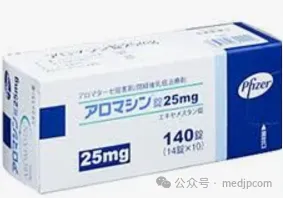
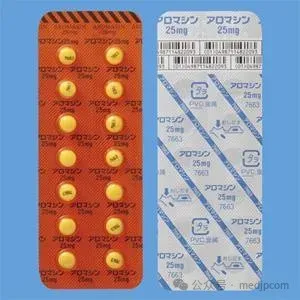
A popular self-paid alternative is Pfizer’s Japanese version of Exemestane (エキセメスタン錠 25mg, Aromasin Tablets). This version is often favored by patients seeking high-quality medication.
Adverse Reactions
During the use of Exemestane, patients may experience side effects. Common adverse reactions include:
Gastrointestinal issues: nausea, vomiting, and diarrhea.
Neurological and psychological symptoms: insomnia, anxiety, and headaches.
Musculoskeletal symptoms: bone density reduction, joint pain, and hot flashes.
Others: rash, high blood pressure, respiratory difficulties, cough, lymphocyte count reduction, liver enzyme abnormalities, and cardiac issues.
Patients are advised to undergo regular check-ups to detect and address potential side effects promptly.
Comparison with Other Aromatase Inhibitors
Exemestane and letrozole are both aromatase inhibitors but differ in their mechanism of action:
Exemestane: A steroidal aromatase inactivator that irreversibly binds to and inactivates the aromatase enzyme.
Letrozole: A non-steroidal aromatase inhibitor that inhibits the aromatase enzyme but does not irreversibly bind to it.
Clinical Efficacy
The FATA-GIM3 study found that the differences in efficacy between anastrozole, letrozole, and exemestane were not significant. However, gastrointestinal side effects were more frequent in the Exemestane group, while the risk of hypercholesterolemia was higher in the letrozole and anastrozole groups.
Usage Instructions for Pfizer's Japanese Exemestane (エキセメスタン錠 25mg)
1. Drug Information
Drug name: Exemestane Tablets (Aromasin Tablets)
Strength: 25 mg
2. Indications
Early breast cancer: Adjuvant therapy for postmenopausal women with estrogen receptor-positive early invasive breast cancer after 2-3 years of tamoxifen treatment.
Advanced breast cancer: Treatment for postmenopausal women with disease progression after tamoxifen therapy.
3. Dosage and Administration
Standard dosage: 25 mg once daily, taken orally after meals.
Dosage adjustments: Adjustments may be made according to the patient's age, health status, and severity of the disease.
4. Adverse Reactions
Common side effects: Nausea, vomiting, insomnia, skin rash, high blood pressure, anxiety, breathing difficulties, coughing, lymphocyte count reduction, and liver enzyme abnormalities.
Severe adverse effects: Severe liver dysfunction and cardiovascular events, requiring close monitoring.
Skeletal and muscular issues: Bone density reduction, joint pain, hot flashes, and fatigue.
5. Precautions
Hepatic and renal dysfunction: Dosage should be adjusted for patients with liver or kidney dysfunction.
Drug interactions: Exemestane may interact with anticoagulants, antihypertensives, and other medications, so dosage adjustments may be necessary.
Special populations: Pregnant and breastfeeding women are prohibited from using the drug.
6. Mechanism of Action
Exemestane is a steroidal irreversible aromatase inactivator, which blocks the conversion of androgens to estrogen. By reducing estrogen levels in postmenopausal women, it helps suppress the growth of estrogen-dependent breast cancer cells.
7. Pharmacokinetics
After oral administration, Exemestane is rapidly absorbed and widely distributed in the body. It is metabolized in the liver and excreted through urine and bile.
Differences Between Brand-name (Original) and Generic Exemestane
Aspect Original Drug (Pfizer's Exemestane) Generic Drugs
Quality & Consistency Strict quality control and batch consistency Quality may differ by manufacturer.
Clinical Data & Validation Extensive clinical trial data supporting long-term safety and efficacy Bioequivalence studies are required, but not large-scale clinical trials.
Safety Monitoring Ongoing pharmacovigilance Safety monitoring is less comprehensive than original drugs.
Manufacturing Standards Optimized production process and excipient selection May vary, affecting drug release rates or bioavailability.
Price Higher cost due to R&D and patents Lower cost after patent expiry.
Availability Widely available in multiple regions Availability may differ by country.
Conclusion
The removal of Exemestane (Aromasin®) from China’s medical insurance list poses challenges for breast cancer patients, especially those who previously relied on insurance reimbursement. However, alternatives such as Pfizer's Japanese Exemestane (エキセメスタン錠 25mg) offer self-paying patients a high-quality option.
Patients should be aware of potential side effects, adhere to dosage instructions, and consult their healthcare providers for personalized guidance. When considering generic vs. original versions, patients should prioritize consistency, clinical data, and pharmacovigilance, as original drugs typically offer a higher degree of assurance in these areas.
If you need more details on specific parts of this content or any other related information, feel free to ask!