
Many people reviewing their health checkup results notice elevated total cholesterol or LDL-C (low-density lipoprotein cholesterol) and immediately wonder:
“I feel perfectly fine. Why do I need treatment?”
In fact, abnormal lipid levels often cause no noticeable symptoms. Even without chest discomfort or chest pain, it does not necessarily mean your blood vessels are healthy. Long-term dyslipidemia may contribute to the development and progression of atherosclerosis, increasing the risk of cardiovascular diseases such as coronary artery disease and stroke.
Therefore, lipid management is not simply about improving laboratory results—it is an important part of long-term cardiovascular health.
1. Why Is LDL-C Called “Bad Cholesterol”?
Cholesterol is an essential substance required for normal bodily functions. It plays an important role in maintaining cell membranes and producing hormones, among other physiological processes.
However, when low-density lipoprotein cholesterol (LDL-C) remains elevated over time, cholesterol can accumulate in the arterial walls, contributing to the formation of atherosclerotic plaques.
As these plaques develop, blood vessels may gradually narrow, restricting blood flow. If a plaque ruptures and a blood clot forms, it may trigger serious cardiovascular events.
Therefore, effective lipid management is not simply about achieving a “normal” cholesterol number. LDL-C targets should be determined according to an individual's age, medical history, and overall cardiovascular risk.
2. Rosuvastatin: A Well-Established Medication for Cholesterol Management
Rosuvastatin belongs to the statin class of medications and is widely used in clinical practice to manage elevated cholesterol levels.
Its primary mechanism of action is to inhibit HMG-CoA reductase, an enzyme involved in cholesterol synthesis in the liver. This reduces cholesterol production and helps lower LDL-C levels.
Under medical supervision, rosuvastatin may be used for:
- Treatment of hypercholesterolemia
- Treatment of familial hypercholesterolemia
- Lipid management in patients requiring LDL-C reduction
- Risk management in selected patients with elevated cardiovascular risk
For individuals requiring long-term lipid management, medication is generally combined with dietary modifications, regular physical activity, and management of other cardiovascular risk factors.
3. Why Is Long-Term Cholesterol Management Important?
Dyslipidemia generally develops over time, and treatment should not focus solely on short-term laboratory results.
Even when cholesterol levels improve with medication, patients should not discontinue treatment on their own. Cholesterol levels may rise again after stopping medication, potentially compromising ongoing cardiovascular risk management.
The following lifestyle measures are also important:
1. Maintain a balanced diet
Reduce excessive intake of saturated and trans fats, and increase consumption of vegetables, whole grains, and legumes.
2. Exercise regularly
Engage in appropriate physical activity according to your health and fitness level, and avoid prolonged sedentary behavior.
3. Monitor lipid levels regularly
Periodic testing of LDL-C, HDL-C, triglycerides, and other lipid parameters helps evaluate treatment effectiveness.
4. Manage other cardiovascular risk factors
Blood pressure, blood glucose, body weight, and smoking status can all influence overall cardiovascular risk.
4. What Is Crestor (Rosuvastatin)?
Crestor is an original-brand formulation of rosuvastatin and belongs to the statin class of lipid-lowering medications.
By inhibiting cholesterol synthesis in the liver, it helps reduce LDL-C levels in the blood and improve lipid abnormalities.
Main indications:
- Hypercholesterolemia
- Familial hypercholesterolemia
For individuals requiring long-term cholesterol control, physicians determine an appropriate treatment plan based on lipid levels, therapeutic goals, and individual tolerability.
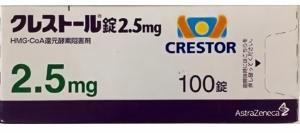
Crestor (Rosuvastatin) 2.5mg | 100 Tablets
5. Product Specifications
Product Name: Crestor
Japanese Name: クレストール錠
Generic Name: Rosuvastatin
Active Ingredient: Rosuvastatin Calcium
Strength: 2.5 mg per tablet
Package Size: 100 tablets per box
Drug Class: HMG-CoA reductase inhibitors (statins)
Manufacturer: AstraZeneca
6. Dosage and Administration
Standard Adult Dosage
The usual initial dose for adults is:
- 2.5 mg once daily (1 tablet).
The dosage may be adjusted by a physician based on the patient's lipid levels, treatment goals, and tolerance.
When to Take It
- Take once daily.
- May be taken before or after meals.
- Can be taken regardless of meal timing.
- Taking it at the same time each day is recommended to help maintain consistent use.
Dosage Adjustment
If the desired lipid-lowering effect is not achieved, the physician may adjust the dosage based on follow-up lipid panel results and tolerability.
In Japan, the dosage may be adjusted according to the patient's condition. For certain patients with severe hypercholesterolemia, the physician may consider increasing the dose.
Do not increase the dosage on your own. Always follow your doctor's instructions regarding dosage adjustments.
7. Precautions During Treatment
1. Regular Lipid Monitoring
Regular blood tests are recommended as directed by your physician to monitor LDL-C, total cholesterol, and triglyceride levels and evaluate treatment effectiveness.
2. Watch for Muscle-Related Symptoms
If you experience unusual muscle pain, muscle weakness, or dark-colored urine, seek medical attention promptly.
3. Monitor Liver Function
Liver function tests may be performed when clinically indicated. Seek medical attention if you experience significant fatigue, loss of appetite, nausea, or yellowing of the skin or eyes.
4. Do Not Discontinue Treatment Without Medical Advice
Improved cholesterol levels do not necessarily mean treatment can be stopped. Any dosage adjustment or discontinuation should be based on follow-up test results and your overall cardiovascular risk.
5. Use With Caution in Special Populations
Patients with impaired liver or kidney function, those who are pregnant or breastfeeding, or those taking other medications should consult a physician or pharmacist before starting treatment.