
Heavy menstrual bleeding, painful periods, uterine fibroids, and endometriosis affect many women. Relumina® 40 mg (Relugolix), a prescription medication available in Japan, works by regulating hormone levels to help reduce excessive menstrual bleeding, relieve pelvic pain, and manage symptoms associated with uterine fibroids. This article provides a comprehensive overview of its mechanism of action, indications, dosage and administration, precautions, and frequently asked questions to help you better understand this gynecological treatment option available in Japan.
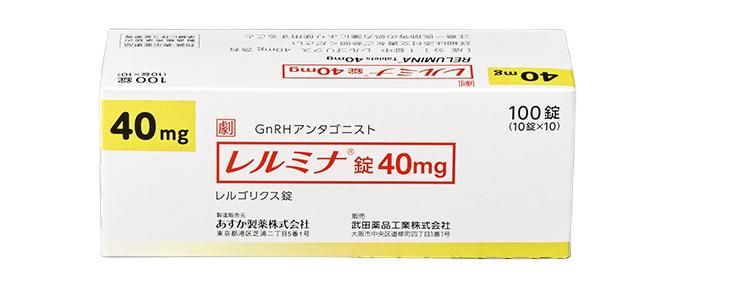
What Is Relumina® 40 mg?
Relumina® 40 mg (Relugolix) is a gonadotropin-releasing hormone (GnRH) receptor antagonist. It works by blocking the action of GnRH, thereby lowering estrogen levels in the body to help relieve symptoms associated with estrogen-dependent gynecological conditions.
In Japan, Relumina® 40 mg is approved for:
Reducing heavy menstrual bleeding caused by uterine fibroids
Relieving lower abdominal and lower back pain
Improving anemia associated with excessive menstrual bleeding
Alleviating pain caused by endometriosis
Key Benefits
1. Reduces Heavy Menstrual Bleeding
Women with uterine fibroids often experience excessive menstrual bleeding, which may lead to iron-deficiency anemia. By lowering estrogen levels, Relumina® helps reduce endometrial growth and decrease menstrual blood loss.
2. Relieves Dysmenorrhea and Chronic Pelvic Pain
For patients with endometriosis, Relumina® can help reduce inflammation-related pain, easing menstrual cramps and chronic pelvic discomfort.
3. Helps Reduce Fibroid Size
Under medical supervision, some patients may experience a reduction in uterine fibroid size, potentially making future surgical treatment easier.
4. Improves Quality of Life
As heavy bleeding, pelvic pain, and anemia improve, many patients experience better daily functioning, improved work productivity, and enhanced sleep quality.
Who Is Relumina® 40 mg Suitable For?
A healthcare provider may consider prescribing Relumina® for patients with:
Uterine fibroids
Heavy menstrual bleeding resulting in anemia
Severe menstrual cramps, lower abdominal pain, or lower back pain
Pain associated with endometriosis
A need for temporary symptom control before surgery
Whether this medication is appropriate should always be determined by a gynecologist based on an individual clinical evaluation.
How to Take Relumina® 40 mg
According to the Japanese prescribing information:
Dosage: 40 mg once daily
Administration: Take on an empty stomach (before meals)
Treatment initiation: It is generally recommended to begin therapy between Day 1 and Day 5 of the menstrual cycle.
Always take this medication exactly as prescribed by your healthcare provider. Do not change the dose or discontinue treatment without medical advice.
Precautions During Treatment
Because Relumina® lowers estrogen levels, some patients may experience menopause-like symptoms, including:
Hot flashes
Excessive sweating
Headache
Mood changes
Vaginal dryness
Long-term estrogen suppression may also reduce bone mineral density. Therefore, the Japanese prescribing information generally recommends that continuous treatment should not exceed six months. If longer treatment is necessary, careful medical evaluation and regular bone health monitoring are recommended.
Who Should Not Use Relumina®?
Relumina® is generally not recommended for:
Women who are pregnant or may become pregnant
Breastfeeding women
Patients with known hypersensitivity to Relugolix or any of the product's ingredients
Patients with unexplained abnormal vaginal bleeding
Patients should use appropriate non-hormonal contraception during treatment as advised by their physician.
Frequently Asked Questions (FAQ)
Is Relumina® a hormone medication?
No. Relumina® is not an estrogen replacement therapy. It is a GnRH receptor antagonist that works by regulating hormone secretion and reducing estrogen production.
Can it be taken long-term?
Continuous long-term use is generally not recommended. Treatment duration should follow your physician's recommendations, with regular follow-up evaluations.
Will menstruation return after stopping treatment?
In most patients, ovarian function and menstruation gradually return after discontinuation of therapy. Recovery time varies among individuals, and follow-up with your healthcare provider is recommended.
Can I become pregnant while taking Relumina®?
Pregnancy is generally not recommended during treatment. If you plan to conceive, discuss your reproductive plans with your healthcare provider before starting or stopping therapy.
Summary
Relumina® 40 mg (Relugolix) is an important prescription medication in Japan for the treatment of uterine fibroids and endometriosis. It helps reduce heavy menstrual bleeding, relieve dysmenorrhea, lower abdominal pain, pelvic pain, and anemia associated with excessive menstrual bleeding. Because it works by regulating hormone levels, Relumina® should only be used under the supervision of a qualified healthcare professional, with regular follow-up to ensure both treatment effectiveness and patient safety.