
With changes in modern lifestyles and dietary habits, high cholesterol and hyperlipidemia have become major risk factors affecting cardiovascular and cerebrovascular health. Persistently abnormal blood lipid levels can increase the risk of developing atherosclerosis, coronary artery disease, stroke, and other cardiovascular conditions.
Rosuvastatin Calcium Tablets (brand name: Crestor® / クレストール®) belong to the statin class of lipid-lowering medications and are among the most commonly prescribed treatments for hypercholesterolemia and mixed dyslipidemia. When used appropriately under medical supervision, and combined with a heart-healthy diet, regular physical activity, and routine lipid monitoring, Rosuvastatin Calcium Tablets can help improve lipid profiles and reduce the risk of cardiovascular and cerebrovascular diseases.
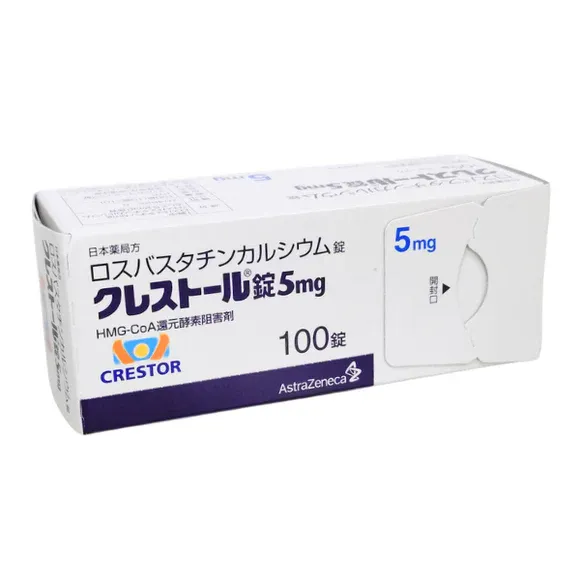
Crestor® (Rosuvastatin Calcium) Tablets 2.5 mg – 100 Tablets
When Should You Be Concerned About Cholesterol?
Cholesterol is an essential substance that supports normal cell function. However, when low-density lipoprotein cholesterol (LDL-C)—commonly known as "bad cholesterol"—remains elevated over time, it can gradually accumulate within blood vessel walls, leading to the formation of atherosclerotic plaques. This process increases the risk of cardiovascular and cerebrovascular diseases, including coronary artery disease and stroke.
Unfortunately, most people with high cholesterol experience no obvious symptoms in the early stages, and many are diagnosed only during routine health examinations.
The following groups should have their blood lipid levels monitored regularly:
Individuals whose health checkups show elevated total cholesterol or LDL-C.
People with chronic conditions such as hypertension, diabetes, or obesity.
Individuals with a personal or family history of coronary artery disease, stroke, or familial hypercholesterolemia.
Smokers, heavy alcohol consumers, people with sedentary lifestyles, or those who regularly consume high-fat diets.
Middle-aged and older adults, as well as individuals at high risk for cardiovascular disease.
If lifestyle modifications—including dietary changes and regular exercise—fail to achieve target lipid levels, a physician may recommend lipid-lowering medication based on the individual's overall cardiovascular risk.
How Does Rosuvastatin Calcium Work?
Rosuvastatin belongs to the statin class of cholesterol-lowering medications. It works by inhibiting HMG-CoA reductase, a key enzyme involved in cholesterol synthesis in the liver. By reducing cholesterol production at its source, the medication also increases the liver's ability to remove LDL cholesterol from the bloodstream, resulting in lower circulating "bad cholesterol" levels.
Clinical studies have shown that, when used as prescribed, Rosuvastatin can:
Significantly reduce LDL-C (low-density lipoprotein cholesterol)
Lower total cholesterol
Reduce triglyceride levels in some patients
Modestly increase HDL-C (high-density lipoprotein cholesterol), commonly known as "good cholesterol"
The primary goal of lipid-lowering therapy is not merely to improve laboratory values, but more importantly to reduce the long-term risk of heart attack, stroke, and other major cardiovascular events. Therefore, treatment is typically long-term and should always be combined with healthy lifestyle habits.
Healthy Lifestyle Habits Remain Essential During Treatment
Many people mistakenly believe that once they begin taking cholesterol-lowering medication, dietary control and exercise are no longer necessary. In reality, medication and lifestyle management complement one another and are both essential for successful lipid control.
During treatment, patients are encouraged to:
Limit foods high in saturated fat and cholesterol while increasing intake of vegetables, fruits, whole grains, and lean protein.
Exercise regularly, such as brisk walking, cycling, or swimming, aiming for consistent weekly physical activity.
Maintain a healthy body weight and avoid abdominal obesity.
Quit smoking and limit alcohol consumption to reduce cardiovascular risk factors.
Follow medical advice regarding regular monitoring of blood lipids, liver function, and other necessary laboratory tests, allowing treatment adjustments when needed.
Comprehensive lifestyle management not only improves cholesterol levels but also provides additional protection against cardiovascular disease and promotes overall health.
Precautions for Use
Rosuvastatin Calcium Tablets should always be taken exactly as prescribed by your healthcare provider. It is recommended to take the medication at the same time each day. The tablets may be taken with or without food, as food does not significantly affect absorption.
Patients should continue following a low-fat diet, maintain regular exercise, control body weight, and avoid smoking and excessive alcohol intake throughout treatment.
This medication is not recommended for:
Pregnant women
Women who are breastfeeding
Patients with active liver disease
Some patients may experience side effects such as:
Muscle pain or muscle weakness
Fatigue
Gastrointestinal discomfort
Elevated liver enzyme levels
If persistent muscle pain, severe weakness, dark-colored urine, jaundice, persistent nausea, or loss of appetite develops, medical attention should be sought promptly.
Patients taking other lipid-lowering medications, anticoagulants, or immunosuppressive agents should inform their physician before starting Rosuvastatin because potential drug interactions may require dosage adjustments or closer monitoring.
How to Take Crestor® (Rosuvastatin Calcium Tablets)
Rosuvastatin Calcium Tablets are prescription medications and should always be taken according to your physician's instructions. Do not change the dosage or discontinue treatment without medical advice.
1. General Administration
Take once daily.
May be taken with or without food.
Taking the medication at the same time each day helps maintain consistent blood levels and improves treatment adherence.
2. Common Dosage
Dosage varies according to the patient's medical condition and cardiovascular risk.
Typical adult dosing includes:
Starting dose: 2.5 mg–5 mg once daily
Maintenance dose: 5 mg–10 mg once daily
Maximum dose: 20 mg once daily (reserved for selected patients under physician supervision)
The appropriate dosage depends on factors such as lipid levels, age, liver and kidney function, and overall cardiovascular risk.
3. If You Miss a Dose
If you forget to take a dose:
Take it as soon as you remember if the next scheduled dose is still several hours away.
If it is nearly time for your next dose, skip the missed dose and continue your regular schedule.
Do not take a double dose to make up for a missed one.
4. Important Considerations During Treatment
Do not discontinue the medication simply because your cholesterol levels have improved. Your physician will determine whether treatment should be adjusted.
Continue following a healthy diet, exercising regularly, maintaining a healthy weight, and avoiding smoking and excessive alcohol consumption.
Regular monitoring of blood lipids, liver function, and, when appropriate, creatine kinase (CK) levels is recommended.
5. When to Seek Medical Attention
Contact your healthcare provider promptly if you experience:
Persistent or severe muscle pain or muscle weakness
Dark-colored urine (tea-colored or cola-colored)
Yellowing of the skin or eyes, persistent nausea, loss of appetite, or other signs of possible liver problems
Important Reminder: Rosuvastatin Calcium Tablets are intended for long-term cholesterol management. Continuous treatment is usually necessary to maintain optimal lipid control. Do not stop or reduce your medication on your own, even if your cholesterol levels have improved. Regular follow-up appointments and laboratory monitoring are essential to ensure safe and effective treatment.