
Budesonide inhalers are a class of inhaled medications commonly used for the long-term management of asthma and certain chronic airway diseases. Compared with oral medications, inhalation delivers the drug directly to the airways, allowing it to exert local anti-inflammatory effects while minimizing systemic exposure. For individuals who require ongoing control of airway inflammation, the proper use of budesonide inhalers can help improve symptoms, reduce the risk of acute exacerbations, and enhance overall quality of life.
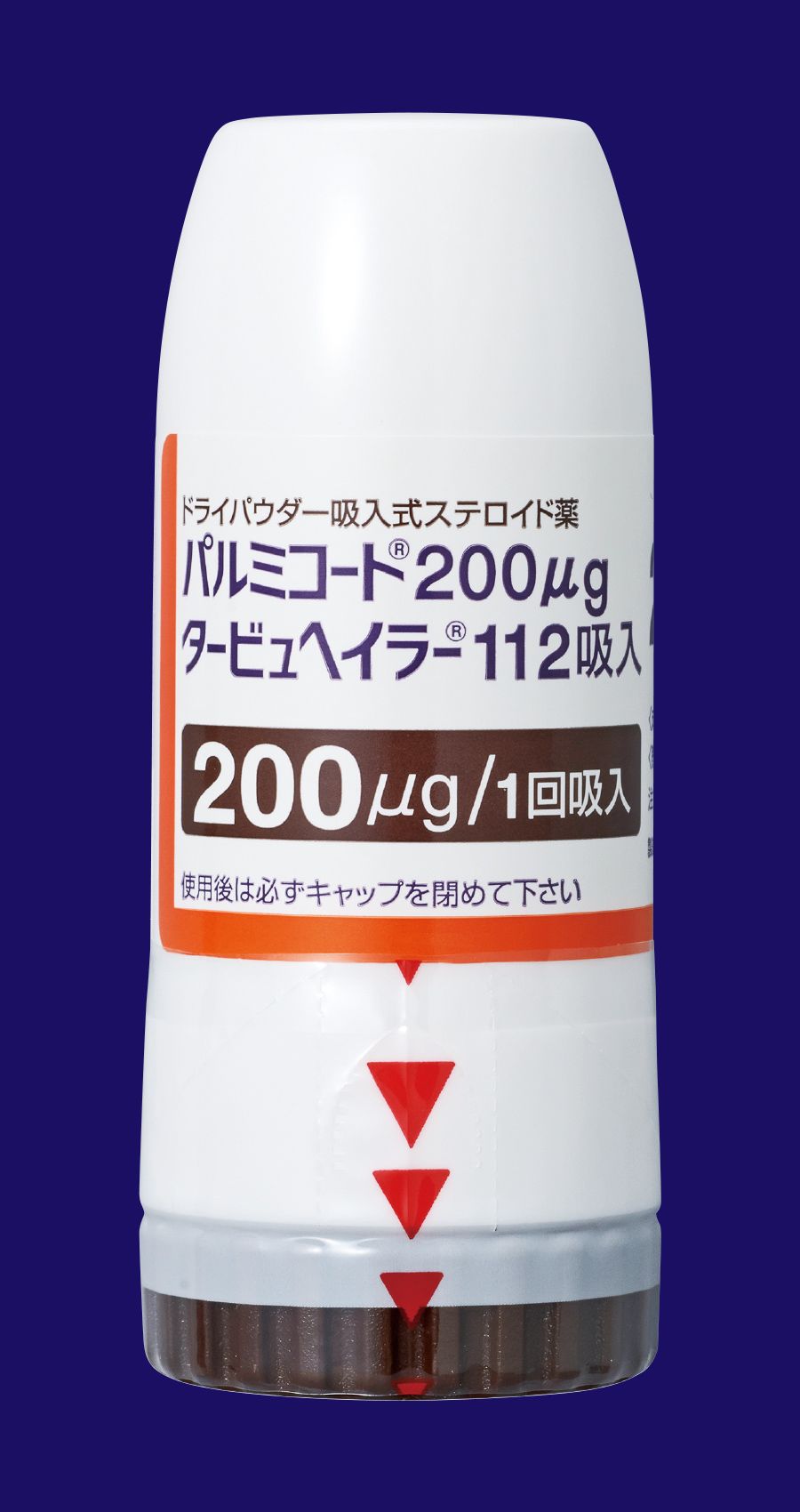
Budesonide (Pulmicort®) 100 μg Turbuhaler – 112 Inhalations: 11.2 mg × 1 Inhaler
Suitable Users and Symptoms
Budesonide inhalers are primarily intended for individuals who require long-term control of airway inflammation, particularly patients with bronchial asthma. People who frequently experience recurrent coughing, wheezing, chest tightness, or shortness of breath may be advised by their healthcare provider to use this medication as part of a long-term management plan.
Common situations in which budesonide inhalers may be recommended include:
Patients diagnosed with bronchial asthma by a healthcare professional
Individuals who frequently experience coughing or wheezing at night or in the early morning
People whose respiratory symptoms are triggered by exercise, cold air, or allergens
Individuals who require long-term control of airway inflammation and reduction of asthma exacerbations
It is important to note that budesonide inhalers are maintenance medications designed for long-term asthma control and are generally not intended for the immediate relief of acute asthma attacks.
Main Benefits and Mechanism of Action
Budesonide is an inhaled corticosteroid (ICS) whose primary function is to reduce and control inflammation within the airways. In people with asthma, the airways are often affected by chronic inflammation, making them more sensitive to environmental triggers. This can lead to airway narrowing, swelling, and increased mucus production, resulting in symptoms such as coughing, wheezing, and breathing difficulties.
After inhalation, budesonide acts directly on the airway lining. It works by suppressing the release of inflammatory mediators, reducing airway swelling, and decreasing airway hyperresponsiveness. With regular use, airway inflammation can gradually decrease, helping to reduce both the frequency and severity of symptoms.
Key benefits may include:
Reducing airway inflammation
Helping prevent asthma attacks
Relieving coughing and wheezing
Improving respiratory function
Reducing nighttime asthma symptoms
Supporting long-term disease control and stability
Purchasing Guide
When selecting a budesonide inhaler, consumers should follow the advice of a physician or pharmacist rather than choosing the dosage or formulation independently. Different products may vary in inhalation device type, dosage strength, and age-specific recommendations.
Important factors to consider include:
Active Ingredient: Confirm that the product contains budesonide and verify the appropriate strength.
Inhaler Device Type: Different inhalers require different inhalation techniques. Choose a device that can be used correctly and comfortably.
Dosage Requirements: Select the dosage strength prescribed by your healthcare provider based on your individual condition.
Age Appropriateness: Recommendations may differ for children, adults, and older adults, so ensure the product is suitable for the intended user.
Precautions for Use
Budesonide inhalers should be used regularly and exactly as directed by a healthcare professional. Patients should not change the dosage or discontinue treatment without medical advice. Consistent use over time is generally necessary to achieve stable symptom control.
Common precautions include:
Rinse the mouth after each use to reduce the risk of oral discomfort and localized fungal infections.
Do not use as a rescue medication for acute asthma attacks.
Consult a healthcare professional if persistent hoarseness, oral white patches, or other unusual symptoms occur.
Pregnant or breastfeeding women and individuals with special medical conditions should use the medication under professional guidance.
Attend regular follow-up appointments to evaluate treatment effectiveness and adjust therapy if needed.
Conclusion
Budesonide inhalers are commonly used as a foundation therapy for the long-term management of asthma. When used appropriately, they can help control airway inflammation, reduce symptom frequency, and improve quality of life. Patients should follow medical advice, use the inhaler correctly, and undergo regular evaluations to support effective and responsible respiratory health management.