
Liver Meds We’ve All Taken: Let’s Talk About “Glycyron (Compound Glycyrrhizin Tablets)”
When health check results come out, many people’s first reaction is:
“ALT/AST is high… does that mean my liver is failing?”
And then, more often than not, the doctor prescribes something like: Glycyron tablets.
If you’ve seen a doctor in Japan—or even had a check-up elsewhere—you’ve probably taken it before.
But to be honest, a lot of people still don’t really understand:
What exactly does this medication do?
Is it safe for long-term use?
Are there any side effects?
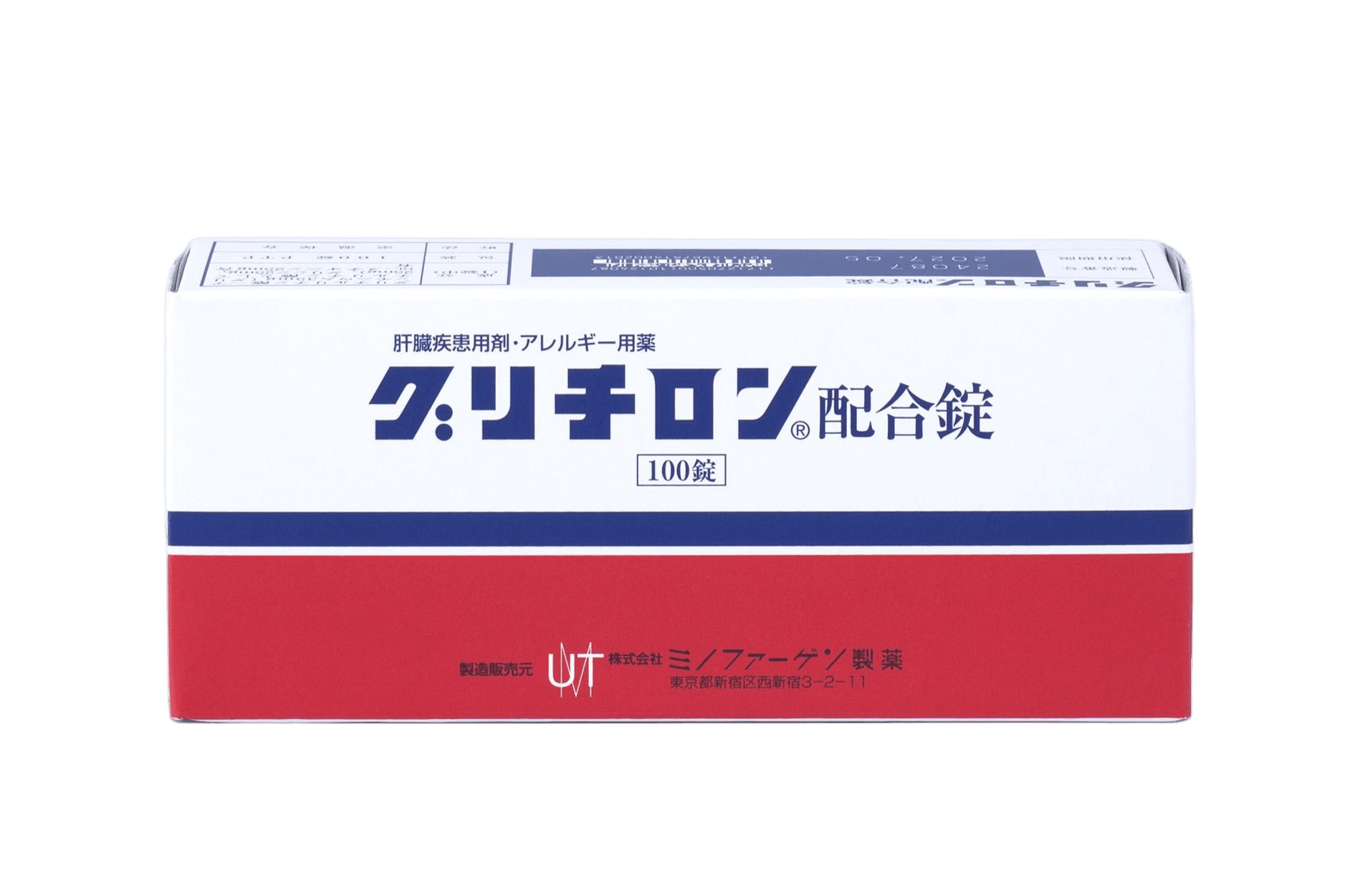
Glycyron Tablets 100 Tablets Compound Ammonium Glycyrrhizinate Glycine DL Methionine
Supports liver health and helps improve liver function
Provides anti inflammatory effects and helps reduce inflammation
Helps relieve allergies and itching
Supports detoxification and metabolic balance
Stabilizes liver cells and promotes liver cell repair
Helps regulate the immune system
May relieve eczema and dermatitis symptoms
Helps reduce redness swelling and itching
Supports improvement of allergic skin reactions
Assists in reducing discomfort after alcohol consumption
Glycyron Combination Tablets (グリチロン配合錠) are essentially a liver-protective medication centered on licorice extract.
It contains three main ingredients:
Glycyrrhizin (the key active component)
Glycine
Cysteine
Among them, glycyrrhizin plays the primary role. Although it comes from licorice and may sound mild, it is a prescription drug, not a health supplement.
Why does it lower liver enzymes (ALT/AST)?
Many people notice reduced ALT and AST after taking it. This is mainly due to:
Anti-inflammatory effects: liver damage is often inflammation, and this helps reduce it
Hepatoprotection: protects liver cells from further injury
Immune regulation: beneficial in chronic hepatitis
Common clinical uses
Doctors often prescribe it for:
Elevated liver enzymes
Chronic hepatitis (e.g., hepatitis B or C)
Fatty liver (in some cases)
Drug-induced liver injury
In Japan, it is also used for skin conditions such as eczema and urticaria.
Dosage & usage (general reference)
Adults: 2–3 tablets per dose, 3 times daily (after meals)
Always follow your doctor’s prescription—do not adjust the dose yourself
Tips:
Take after meals to reduce stomach discomfort
Take at consistent times for better results
Treatment duration varies from weeks to months
Not recommended for long-term self-medication
Missed dose:
Take it when you remember
Skip if it’s close to the next dose
❌ Do not double the dose
Important side effect (must know)
Pseudoaldosteronism (key risk):
Symptoms may include:
Facial or leg swelling
High blood pressure
Fatigue, palpitations
Low potassium (can affect the heart if severe)
This happens because glycyrrhizin affects hormone-related salt and water balance.
Use with caution if you have:
Hypertension
Heart disease
Kidney problems
Older age
Common misunderstandings
“It’s a liver supplement, safe to take anytime” → ❌
Liver issues need proper diagnosis, not just lowering enzymes
“Taking multiple liver meds works better” → ❌
Similar drugs may increase burden on the body
“It’s herbal, so it’s very safe” → ❌
Natural origin ≠ no side effects
Bottom line
Glycyron is a widely used and relatively safe medication when used properly:
✔ Helps reduce liver enzymes
✔ Has manageable safety profile
✔ Common in clinical practice
However:
? It is often misused as a long-term liver supplement, which is incorrect.
In one sentence:
? It’s a medication—not a daily health supplement. It can help temporarily, but it cannot replace proper long-term management.