
In today’s fast-paced world, with high work pressure and increasingly oily diets, many people face hidden risks related to blood lipids and cardiovascular health. You may have heard of “omega-3 fatty acids,” but just how important are they? Today, let’s talk about this true “guardian of health.”
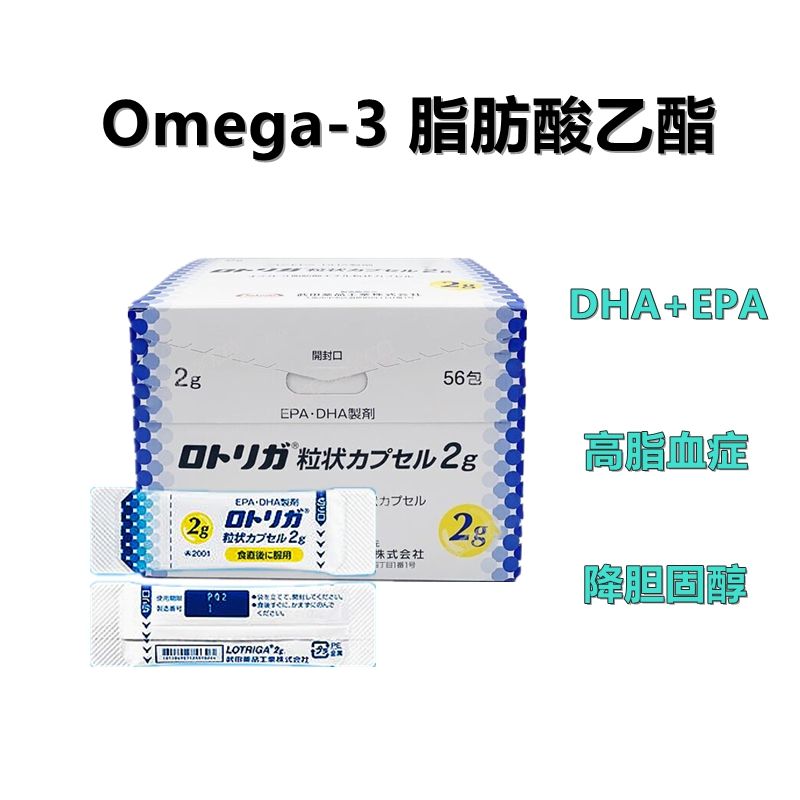
Lotriga Granular Omega-3 Fatty Acid Ethyl Ester Capsules 2 g (56 sachets):
What Are Omega-3 Fatty Acids?
Omega-3 fatty acids are essential polyunsaturated fats that play an important role in human health. They mainly come from deep-sea fish, seaweed, flaxseeds, walnuts, and similar foods. Omega-3 includes several key components:
EPA (Eicosapentaenoic Acid): Supports lower blood lipids and promotes cardiovascular health.
DHA (Docosahexaenoic Acid): Important for brain and eye development, and beneficial for cognitive function.
ALA (Alpha-Linolenic Acid): A plant-based form of Omega-3 that can be partially converted into EPA and DHA in the body.
Simply put, Omega-3 acts like a “lubricant” for the body, helping your blood vessels, heart, and brain work more smoothly.
What Are the Benefits of Omega-3?
1. Supports Cardiovascular Health
Omega-3 helps reduce triglycerides and decrease blood viscosity, contributing to healthier blood vessels. Studies show that people who consume Omega-3 regularly tend to have a lower risk of cardiovascular issues.
2. Helps Improve Blood Lipid Levels
For individuals with elevated blood lipids, Omega-3 can serve as a supportive measure to help lower triglyceride levels.
3. Protects Brain and Vision
DHA is a key structural component of the brain and retina. Adequate intake helps maintain memory, focus, and may delay age-related cognitive decline.
4. Anti-Inflammatory and Immune Support
Omega-3 plays a role in regulating inflammation in the body, which may help ease issues related to chronic inflammation, such as joint stiffness or mild inflammatory responses.
How to Supplement Omega-3
Although fish, nuts, flaxseeds, and other foods do contain Omega-3, many people struggle to get enough through diet alone due to busy schedules and inconsistent eating habits.
In such cases, Omega-3 supplements may be a practical option.
When taking supplements, keep in mind:
Choose products with high-purity, high-concentration EPA and DHA for better effectiveness.
Taking them after meals can improve absorption.
Those who are pregnant or taking anticoagulant medications should consult a doctor first.
A Healthy Life Starts with Omega-3
Omega-3 is not a miracle drug, but it’s a small yet powerful helper in overall lifestyle management. Combined with a healthy diet, regular exercise, and good sleep habits, you’ll notice a lighter body, more stable lipid levels, and better overall energy.
Remember: real change comes from the small habits you build every day. Omega-3 is simply one very important part of that journey.