
As we reach middle age, our blood vessels start to change—just like the water pipes at home. Over time, they can become harder and narrower. When the blood gets sticky, it can easily get blocked.
That’s how heart attacks and strokes happen.
That’s why many doctors recommend that middle-aged and older adults take Aspirin Enteric-Coated Tablets 100 mg.
It’s not a “magic cure,” but it plays a very important role in preventing heart and brain blood vessel problems.
Let me explain it in the simplest way possible.
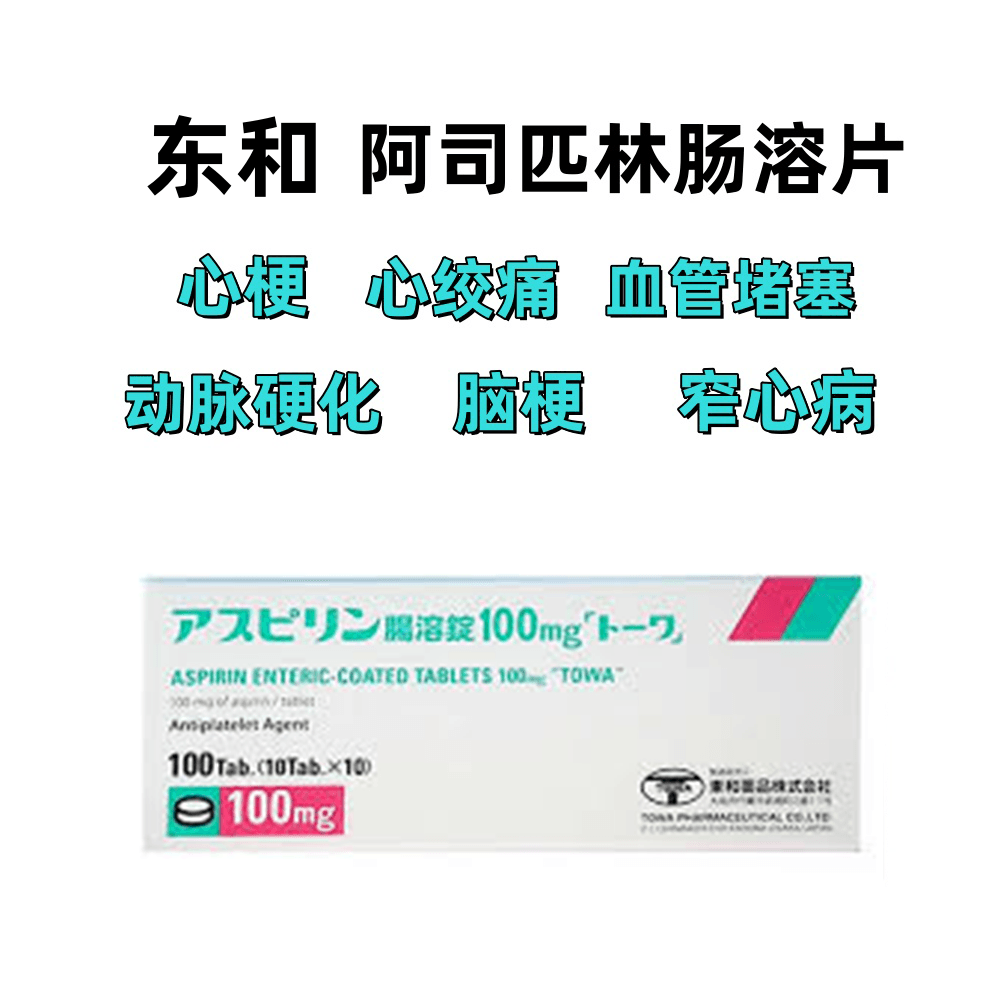
What exactly does aspirin do?
1) It helps your blood flow more smoothly
Aspirin keeps platelets from sticking together, which reduces the chance of forming blood clots.
To put it simply—
your blood flows better and is less likely to get blocked.
2) It helps prevent major problems
When taken regularly over the long term, it can lower the risk of:
Heart attacks
Strokes
Recurring angina
Re-blockage after a stent or bypass surgery
This is why many doctors prescribe it year after year.
What’s special about this aspirin?
Each tablet contains 100 mg (a common standard dose)
It’s enteric-coated, so it’s gentler on the stomach than regular aspirin
Most people take one tablet a day, preferably after a meal
It’s suitable for long-term use — but only under a doctor’s guidance
Who should NOT take aspirin?
Please remember these points:
Do NOT take aspirin if you:
Are allergic to aspirin
Have active stomach bleeding or a stomach ulcer
Tend to bleed easily
Are an infant
Are in early pregnancy (unless your doctor specifically says otherwise)
Talk to your doctor first if you:
Have asthma
Are taking other blood thinners (such as warfarin or clopidogrel)
Have unstable blood pressure
Have a sensitive stomach or frequent stomach pain
In short:
Always tell your doctor about the medicines you're taking — drug interactions matter.
Who do doctors usually prescribe aspirin to?
People who have had stent placement or bypass surgery
Those who already had a heart attack or stroke and need to prevent another
People with angina
Individuals with atherosclerosis, high blood pressure, or diabetes who need to reduce the risk of clogged arteries
Aspirin is not a supplement and should never be taken casually.
Doctors prescribe it based on your personal cardiovascular risk.
Helpful tips for middle-aged and older adults
Take aspirin consistently — not on-and-off
Having it after a meal can help protect your stomach
If you notice black stool, vomiting blood, worsening stomach pain, or unusual bleeding, stop immediately and seek medical care
Regular blood pressure checks and occasional blood and stomach evaluations bring peace of mind
A note for your family
If you worry about heart and brain health — or if someone in your family has high blood pressure, diabetes, or hardened arteries — aspirin may play a key role.
But remember: no medicine should be taken casually.
Always check with your doctor and follow their instructions.